
By The Associated Press
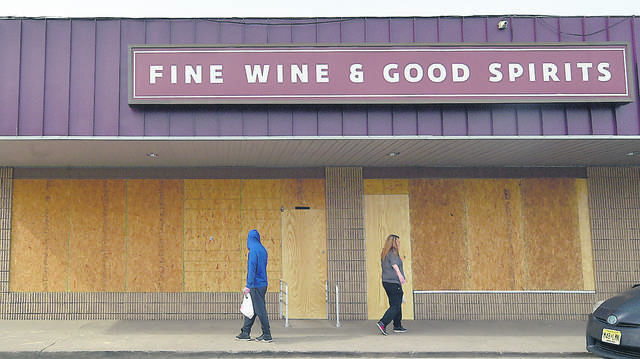
HARRISBURG — The Pennsylvania Liquor Control Board said Thursday it might open additional fulfillment centers to handle tremendous demand for its new online sales program.
The online system has been getting upwards of 2 million page hits a day since it launched last week, but the vast majority of would-be customers have been unable to place an order because of the program’s lack of fulfillment capacity.
The program filled about 1,800 orders per day this week, said board spokeswoman Elizabeth Brassell. Over its first eight days, the online system processed about 9,600 orders for 48,000 bottles worth nearly $900,000.
Pennsylvania’s state-controlled liquor stores and distribution system rang up about $2.7 billion in sales last year.
The state’s brick-and-mortar liquor stores have been shut down since March 17.
In other coronavirus-related developments from around Pennsylvania:
Cases
The Department of Health reported 1,989 new cases Thursday, bringing the statewide total to more than 18,000. There were 29 new deaths, for a statewide toll of 338.
For most people, the virus causes mild or moderate symptoms that clear up in a couple of weeks. Older adults and people with existing health problems are at higher risk of more severe illness, including pneumonia, or death.
Strained hospitals
The pandemic is costing Pennsylvania hospitals and health systems up to $2 billion per month, a trade group said Thursday as it warned anew that some of them might not survive the crisis without government assistance.
Hospitals are spending hundreds of millions on supplies, frontline health care workers and expanded bed capacity. At the same time, their revenue is down 40% because all elective procedures have been canceled, said Andy Carter, president and CEO of the Hospital and Healthsystem Association of Pennsylvania.
The group has been pressing the Wolf administration and lawmakers for a state fund that would help hospitals build capacity, hire more clinicians and buy more protective gear. Carter said his members also want tax relief, liability protection and other help.
“The financial strain on these organizations is enormous, and it is complicating the vital efforts underway at these hospitals,” he said.
Wolf’s spokeswoman, Lyndsay Kensinger, said Wolf is “working on a plan to provide immediate financial support for working capital” to hospitals.
Testing sites and field hospitals
State officials are making plans to open a mass testing site and a field hospital in northeastern Pennsylvania amid worrisome growth in confirmed cases of coronavirus in that part of the state.
Health Secretary Rachel Levine said the field hospital will be located in East Stroudsburg, in Monroe County. Monroe, Lehigh and Luzerne counties have the state’s highest rates of infection.
A field hospital in Allegheny County is also planned.
Philadelphia has been setting up a field hospital at Temple University, while Delaware and Chester counties are setting one up at Glen Mills school in the suburbs.
Meanwhile, mass testing sites in Montgomery County and Philadelphia are shutting down because the federal government will no longer fund them. The Department of Health said other testing sites continue to operate.
Mariner East Pipeline
Construction on a massive pipeline project in southeastern Pennsylvania is in limbo.
The state Department of Community and Economic Development issued a waiver Monday to the owner of the Mariner East system, Texas-based Energy Transfer LP, allowing it to work despite Wolf’s order shutting down all non-life-sustaining business activity.
But the agency said it has since rescinded the waiver to give it additional scrutiny. The 350-mile, multibillion-dollar pipeline carries highly volatile natural gas liquids, much of it for export.
Energy Transfer said it’s continuing construction activity that is allowed for safety and security at 15 sites associated with the Mariner East project.
Energy Transfer has been heavily penalized for environmental violations at Mariner East.
Inmate visits
The Department of Corrections said Thursday it is now canceling inmate visits at state prisons indefinitely as a result of COVID-19.
The state’s prison visitation program has been shut down since March 13 as corrections officials seek to prevent the spread of the highly contagious coronavirus. The shutdown was originally slated to last 14 days, then was extended until April 10. To date, the prison system has reported seven cases in one prison.
Inmates are allowed video visits and are getting additional free phone calls and emails.